Severe Weather and Natural Disasters
What to Do in An Emergency
- Call Public Safety if immediate danger is present or observed.
- Follow emergency alerts. Monitor official alerts, local TV, radio and the Columbia homepage.
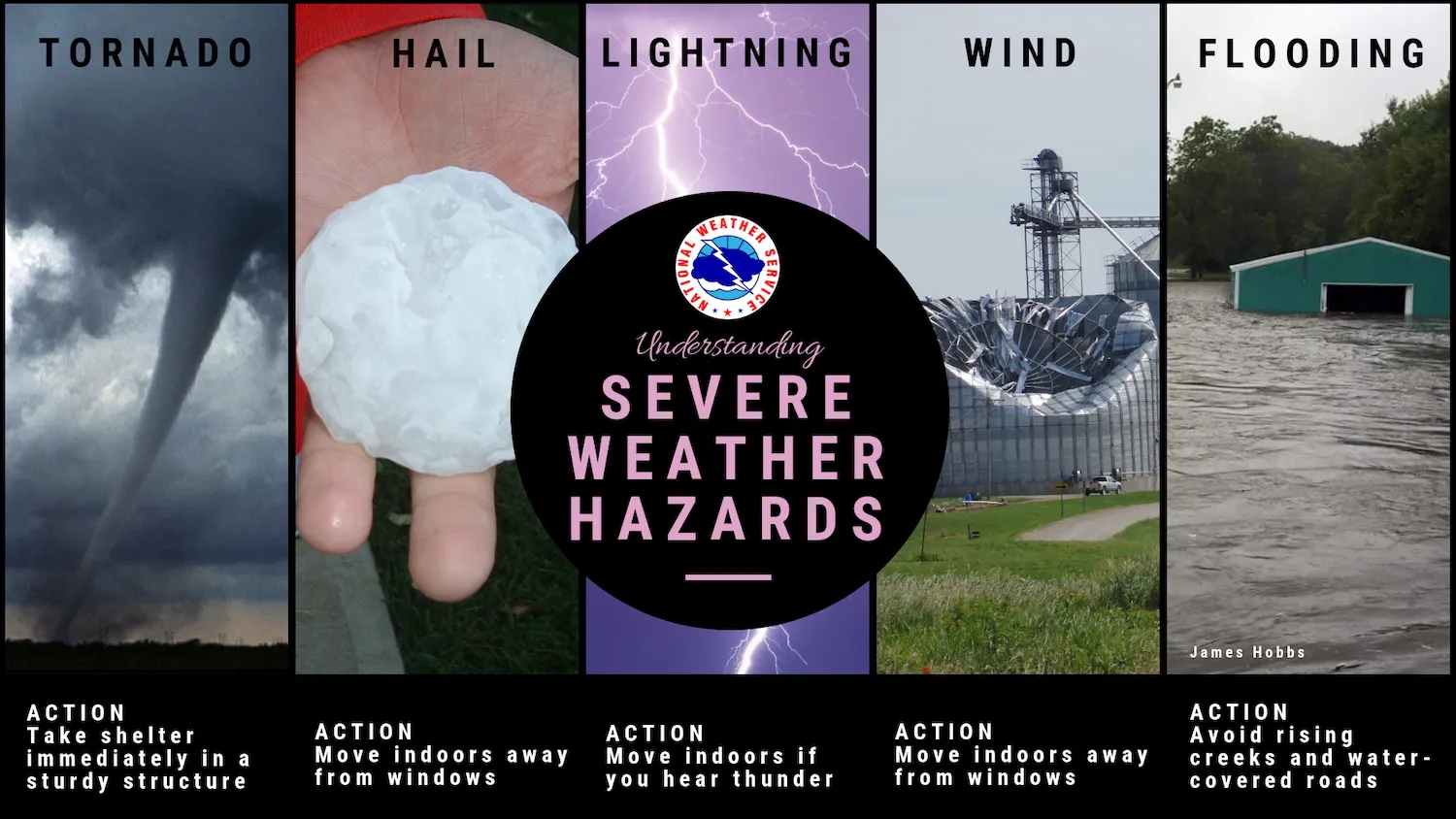
- Seek shelter as needed. Move away from windows. Avoid flood areas.
- Charge phone/devices if severe weather is expected.
Quick Tips
Stay cool, hydrated, and aware:
- Avoid strenuous physical activity
- Drink plenty of water, even if you are not thirsty
- Stay in the shade and out of the direct sun
- Wear light, loose-fitting clothes
- Put a hat on to protect your face and head
- Use sunscreen with SPF 15 or higher
- Limit extended outdoor activities to early morning and late evening hours
- Avoid drinks with alcohol, caffeine, or sugar
Get more Beat the Heat tips and resources from New York City Emergency Management.
Stay warm and prevent freezing issues:
- Close windows, blinds, curtains
- Keep radiators/fan coils ON at lowest setting
- Move items away from heaters
- Use caution on icy steps/walkways
- Dress in layers; Cover head, hands, and ears
During heavy rain, high winds, or flash floods:
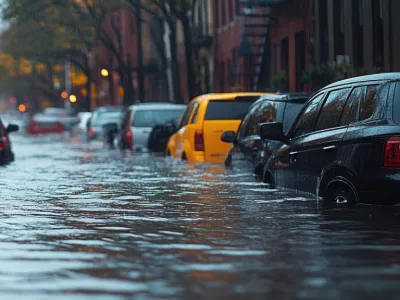
- Avoid walking/driving through flood water
- Close all windows and shades
- Charge devices before leaving
- Turn off non-essential electronics
- Keep valuables off the floor
Smoke, haze, or unhealthy air days:
- Limit outdoor activities
- Use a KN95/N95 or similar mask outdoors
- Keep windows closed
- Follow Columbia alerts for indoor space guidance
- Check air quality index (AQI) on AirNow.gov
Learn more from the AQI Guidelines by the New York City Department of Health.
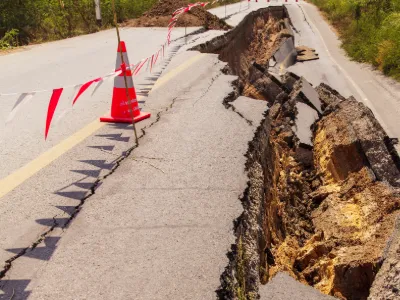
- If indoors: remain inside and stay away from external doors, windows, walls or anything that can fall, such as glass, books, furniture, lamps, etc. Take cover in a well-supported, load-bearing doorway. If in bed, remain in bed and cover your head with a pillow, unless your bed is under heavy and potentially injury-causing objects. Do not move from your safe area until the shaking has stopped.
- If outdoors: remain outside and stay away from windows, buildings, and utility wires. Try to find an open space away from falling objects or material.
- If in vehicle: stop as quickly as safety permits and stay in the vehicle. Do not attempt to stop near or under buildings, trees, overpasses or utility wires. Remain in the car until the shaking stops.
For more detailed tips, visit the FEMA website.
How Columbia Prepares
Alerts and Announcements
Tips are shared online, social media (@columbiafacilities), by email, or text message (for more urgent events).
Facilities Support During Weather Events
Available 24/7 for non-emergency weather issues (leaks, icy areas, HVAC, etc.)
Climate and Weather Research
Lamont Doherty Earth Observatory is a hub for climate research, providing expertise in weather and trends.